
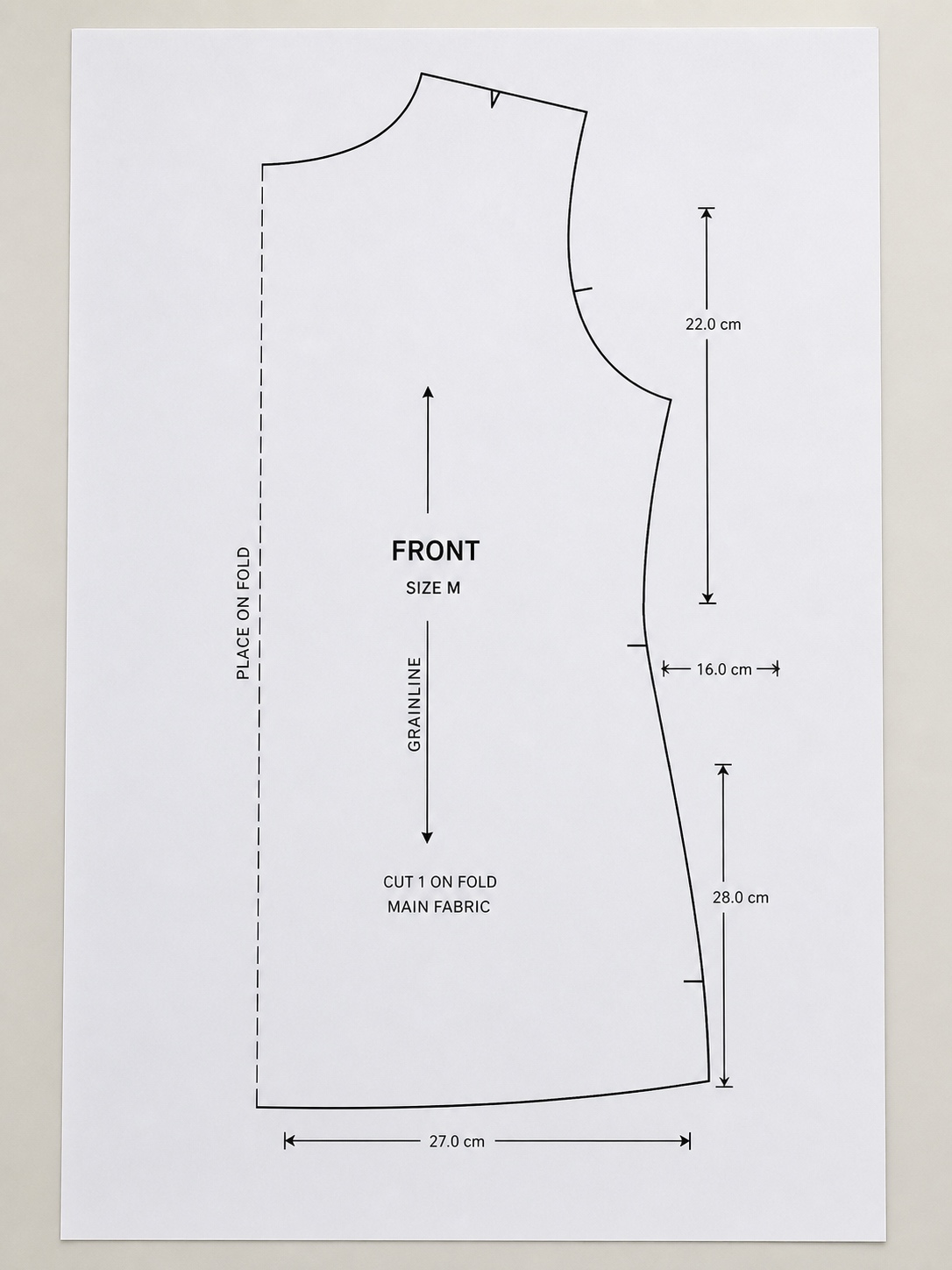
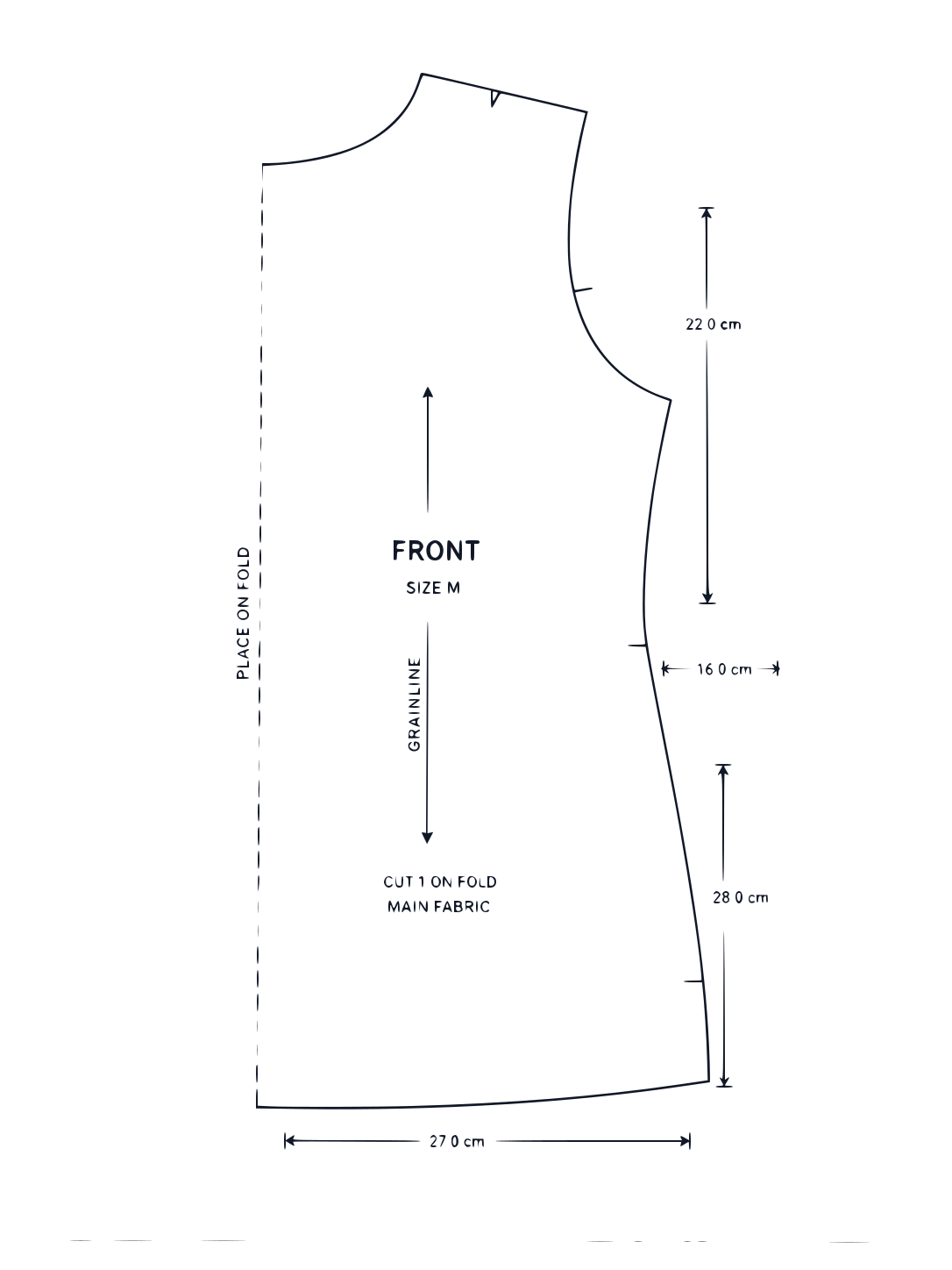
Scanned line art
You can try a sharp scan with a simple background and a complete visible outline.
This JPG-to-DXF converter is for original or high-quality JPG/JPEG files with clear edges. It suits line drawings, logos, templates, and high-contrast graphics; crop empty margins and avoid repeated compression before tracing.
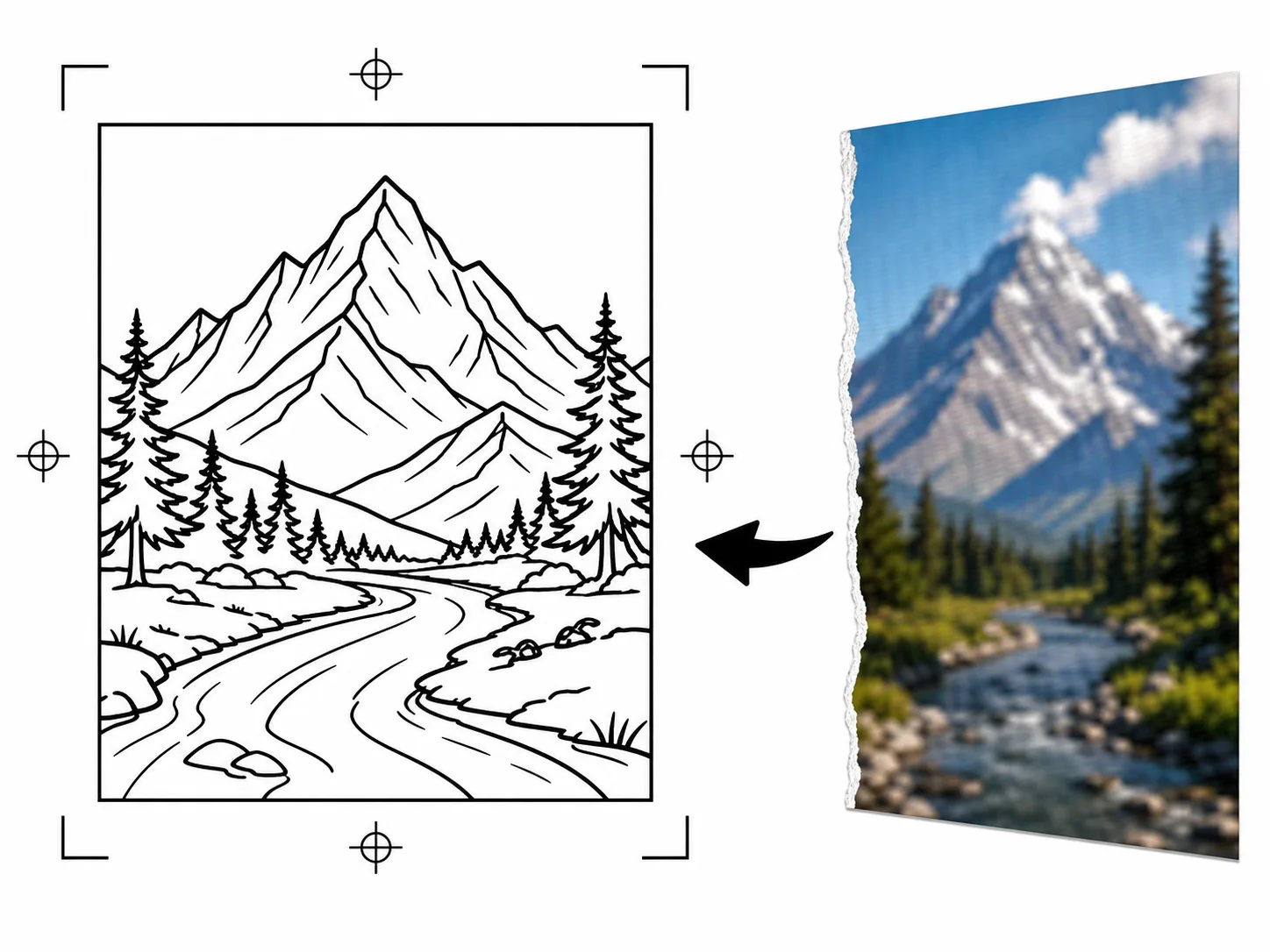
Clear edges and contrast make the pixel-to-contour conversion easier to review.
Format examples
This JPG self-test keeps the scan or paper-pattern context while making the source and traced contour easier to compare. It demonstrates a general JPG-to-DXF draft path; actual results still depend on compression, contrast, and edge quality.
COMMON USES
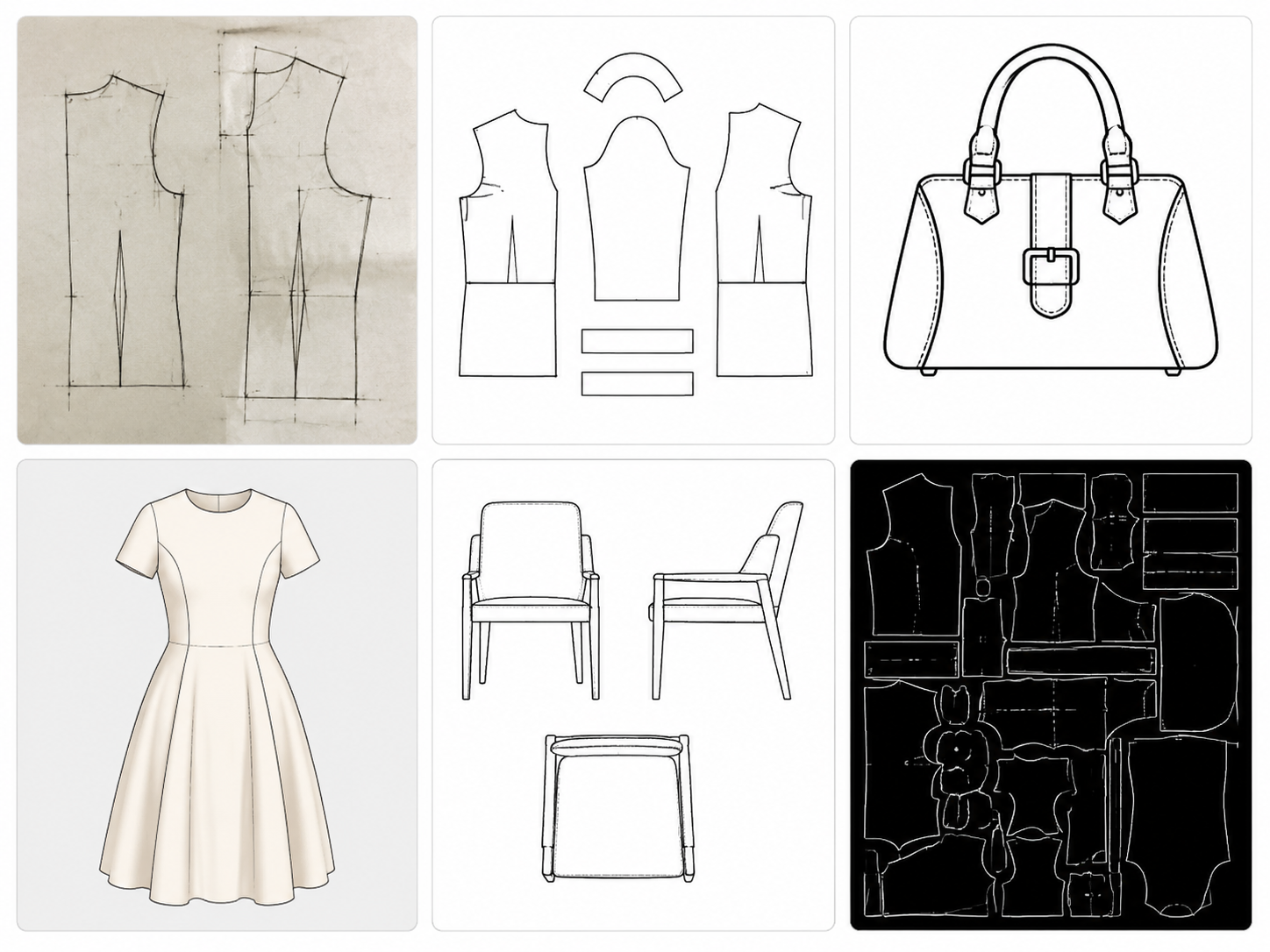
These are common uses, not an exhaustive list. If the target outline is clear, upload it first to inspect a real preview.
The cards show input ideas, not guaranteed results. Upload your own file to inspect the real preview.
You can try a sharp scan with a simple background and a complete visible outline.
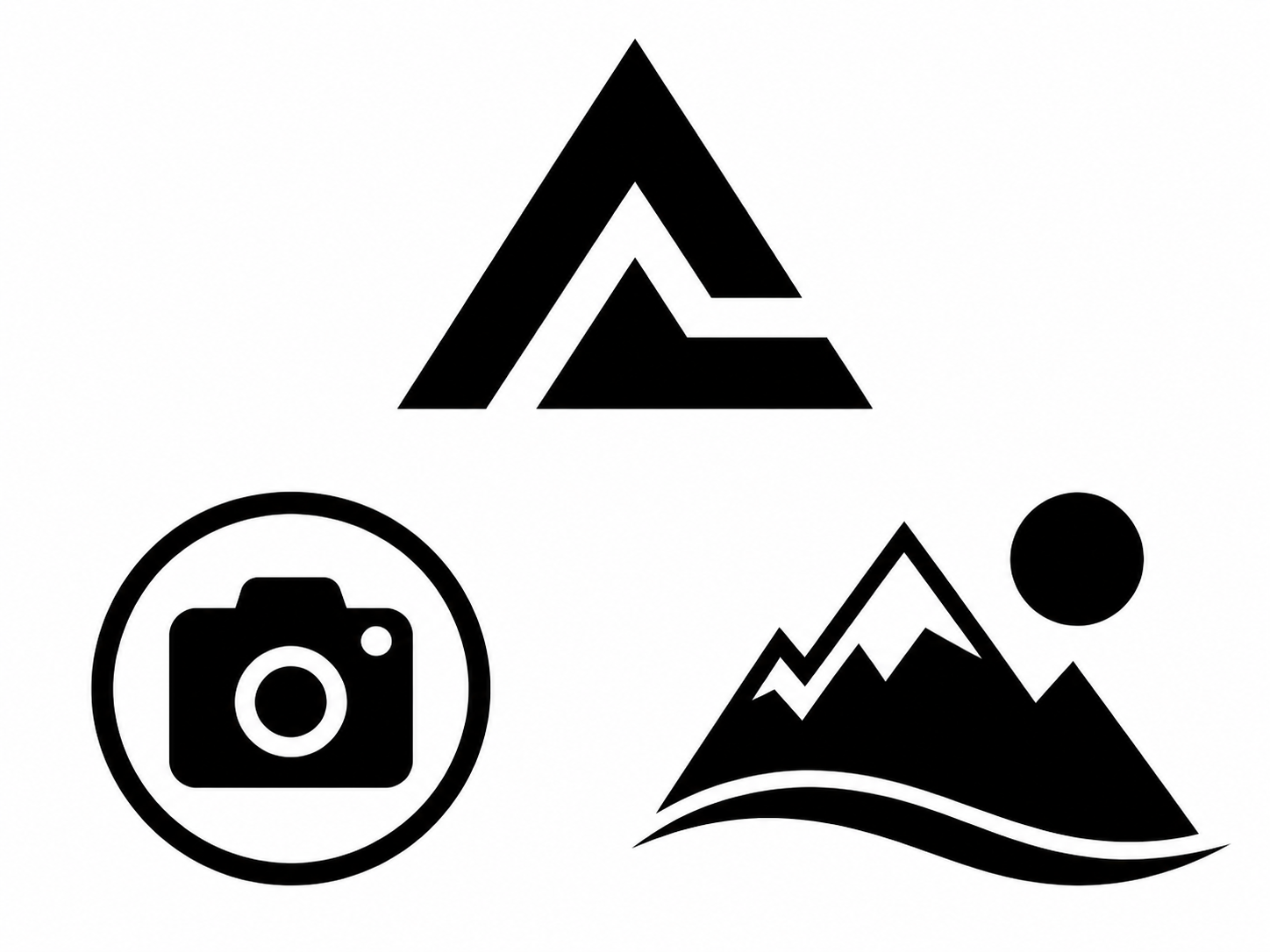
You can try an original or lightly compressed JPG logo with bold edges and limited texture.
You can try a simple JPG drawing or diagram when the important boundaries remain visible.
Before you upload
The converter traces visible pixels into paths. This quick check prevents spending credits on images that need cleanup or a different workflow.
JPG-to-DXF workflow
Start with the original JPG, inspect the trace, and decide whether the draft is ready for CAD review.
Choose a JPG or JPEG up to 10 MB with a complete outline and simple background.
Look for compression noise, blur, and broken edges that could affect the paths.
Confirm scale, curves, closed shapes, and node density before downstream work.
JPG compression and photo conditions directly affect tracing; a JPG-to-DXF result remains a contour draft that needs review.
Engine version
potrace_fixed_v1
Conversion pipeline
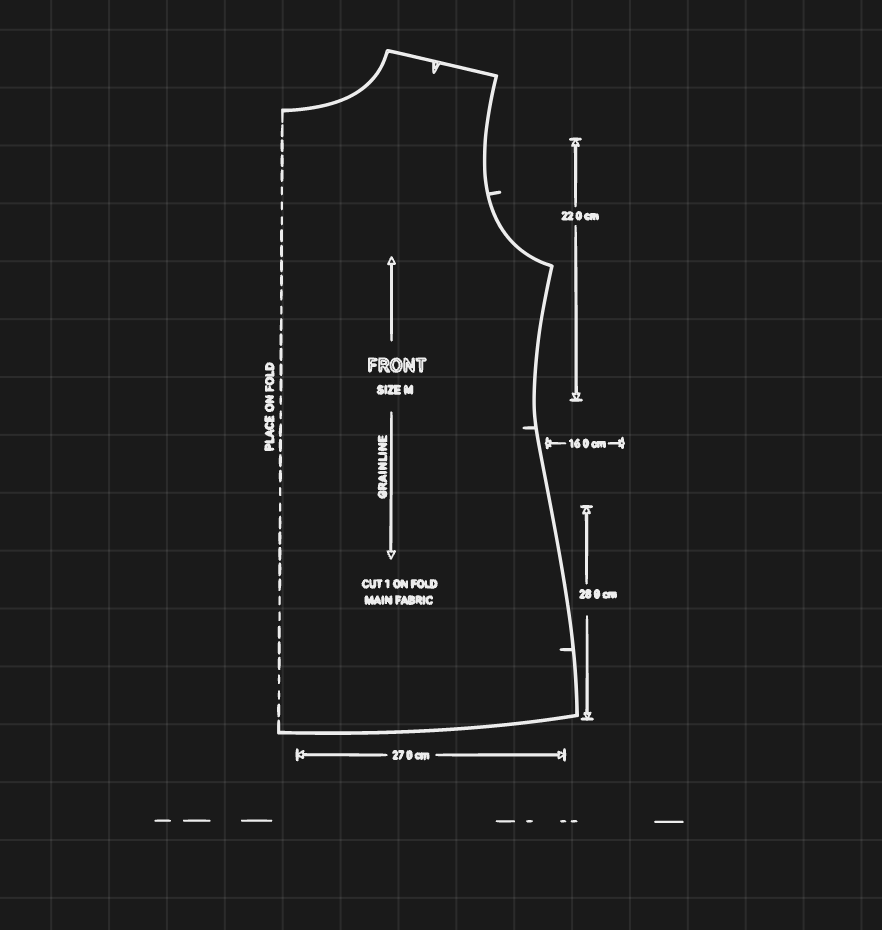
User-supplied garment-pattern bitmap → JPG → Potrace → SVG → DXF
Recorded files
CAD review status
CAD review metadata pending
The CAD software, version, import options, and review conclusion still need to be recorded.
Source explanation
Technical details keep the source conditions and conversion path available for deeper review.
JPG-to-DXF FAQ
Choose by input format
Choose the page that matches the source file. Each dedicated tool provides input guidance and checks tailored to that format, while the general page remains the WebP and mixed-format entry point.
Remove background clutter and strengthen the lines before tracing to DXF.
Use calibration and pattern-specific checks when physical dimensions matter.
Learn how raster tracing works and what to inspect after conversion.
This image-to-DXF converter is for WebP or mixed-format sources. It traces visible contours into a reviewable DXF draft; check scale, curves, and closed shapes in CAD before downstream use.
This PNG-to-DXF converter is for logos, icons, line drawings, and clean graphics with separated shapes. Transparent or plain backgrounds can simplify tracing, but inspect the resulting contours before you use the DXF.
This SVG-to-DXF converter is for SVG files with editable paths, shapes, and curves. Convert text to outlines first; after conversion, verify supported geometry, units, layers, curves, and closed paths in your target CAD workflow.